


The Dutch-flagged expedition ship MV Hondius has departed the Canary Islands. After evacuating 125 people amidst the outbreak of Andes hantavirus, the next stop for the ship is back home in the Netherlands
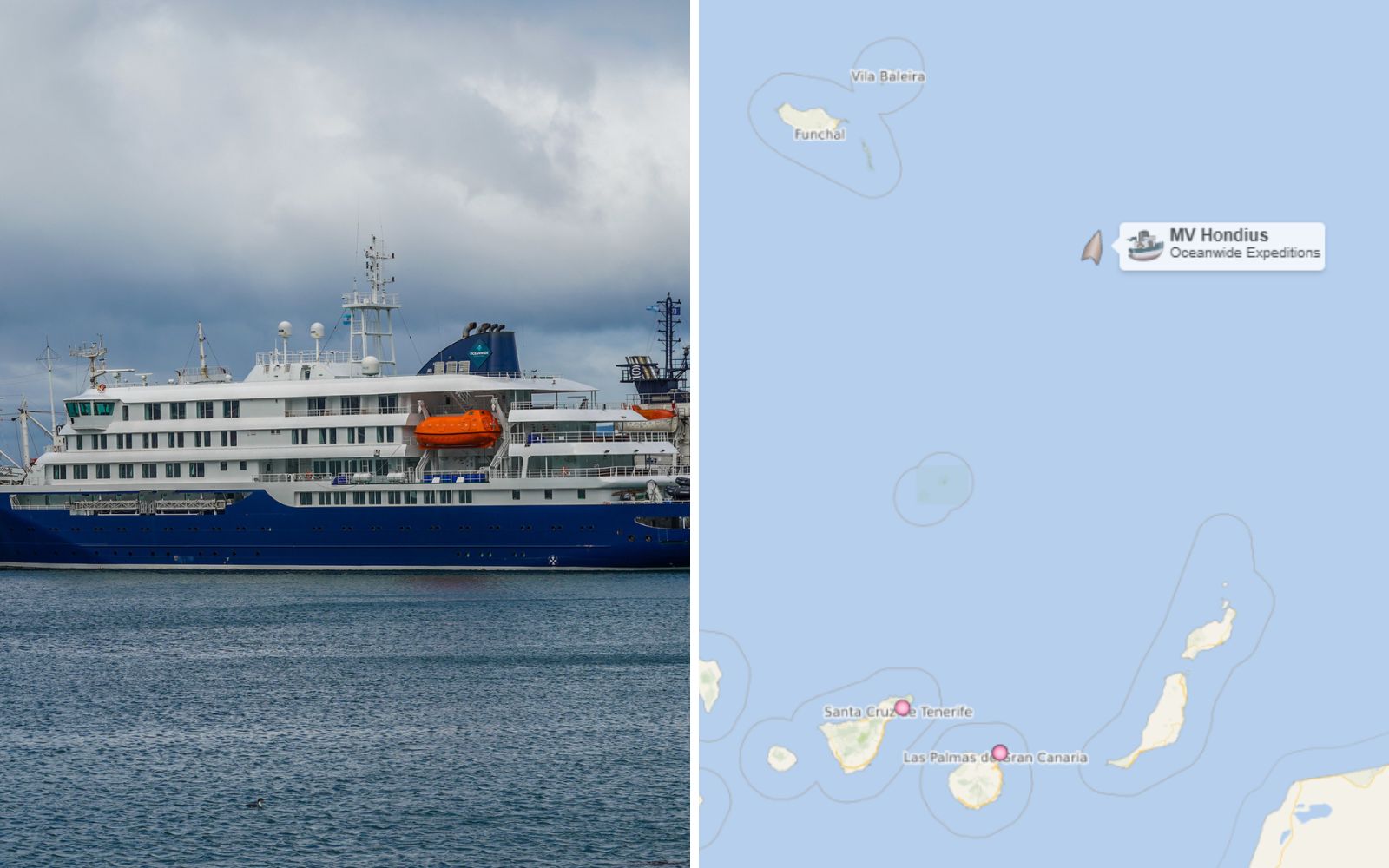
The Polar Class 6 vessel is expected to arrive in Rotterdam on Sunday to begin an intensive medical-grade disinfection process which should last several weeks.
The departure from Tenerife came after a two-day operation that involved Spanish health authorities managing the careful removal of passengers and crew from the 6,000 gross ton ship under strict biosafety protocols.
“Mission Accomplished”
Spanish Health Minister Mónica García Gómez confirmed the evacuation operation on Tuesday evening.
“Mission accomplished,” Health Minister Mónica García Gómez said. “Between yesterday and today, we have evacuated the 125 passengers and crew members from 23 countries… The ship… left the port today at 7 p.m. (1800 GMT).”
More than 25 essential crew members and specialized medical staff remain on board to operate the ship as it heads to Rotterdam. They are accompanied by the body of a German passenger who died during the journey.
Current Case Count and Mortality
The World Health Organization (WHO) and national health authorities have been monitoring the situation closely as the number of infections world-wide has now risen to eleven.
According to WHO Director-General Tedros Adhanom Ghebreyesus, speaking in Madrid on Tuesday, nine of these cases have been laboratory-confirmed as the Andes strain of hantavirus, while two others remain classified as suspected.
Recent reports indicate that 18 Americans who were passengers on the ship are currently being monitored.
To date, three people have died which include a Dutch couple and a German national.
Unlike other hantavirus strains, Andes hantavirus is known to be capable of human-to-human transmission. It typically attacks the respiratory system and carries a high mortality rate.
The Road Ahead: Disinfection in Rotterdam
Once the MV Hondius docks in Rotterdam this Sunday, it will go through a decontamination process unlike it’s ever had before, especially considering the international attention this story has received.
More than likely the ship will be sealed for aerosolized disinfection. This involves “fogging” the interior with hydrogen peroxide vapor to get those hard-to-reach areas on board. This is especially important when working with the HVAC and ventilation systems where respiratory particles could linger.
Surface Cleaning
Because hantavirus is traditionally associated with rodents, the ship will also undergo a thorough inspection to make sure the vessel is free of any droppings or nesting materials. But as the current belief is that the virus was first introduced to a passenger while on land in Argentina, this may be more of just standard procedure.
Also, porous materials in high-exposure zones, like mattresses and upholstery from affected cabins, may be removed and destroyed as biohazardous waste. In fact, it’s probable that all bedding and upholstery will be destroyed and replaced.
The 42-Day Window
Physical cleaning is only one part of the story. The crew members remaining on board must complete a monitoring period. Since the incubation period for hantavirus can last several weeks, the ship will probably remain without passengers until at least 42 days have passed without a new confirmed case.
This story has received international attention as comparisons to Covid-19 make headlines. But for now, most health organizations see the virus as less transmissible.
Looking for the Best Cruise Deals?
Search Multiple Sites at Once
Instant Real Time Pricing
Search Now