

The World Health Organization has just officially declared the hantavirus outbreak over, confirming what the mainstream media refused to admit from day one.
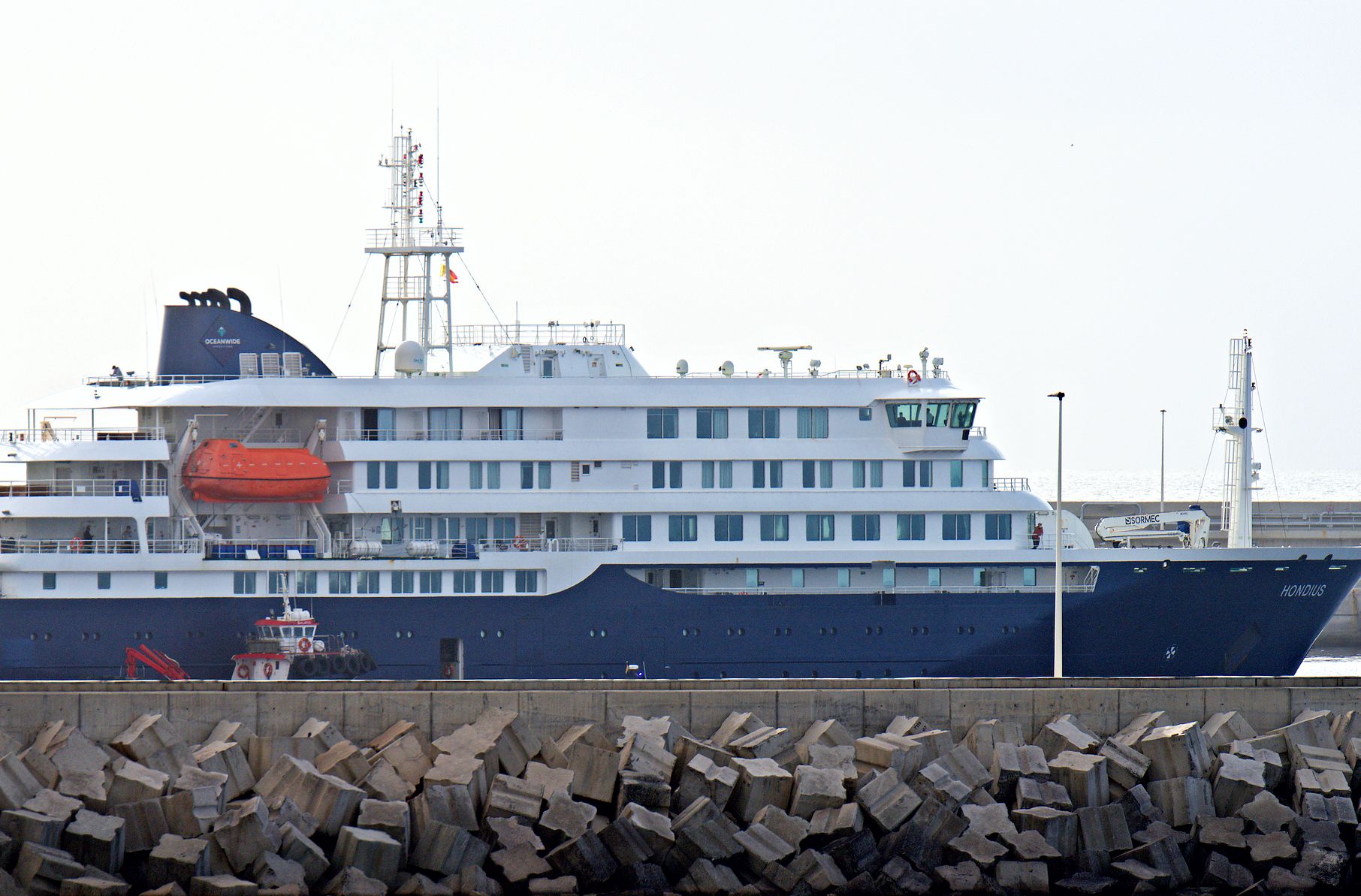
When the first reports started circulating back in early May about severe respiratory cases on the 170-passenger ship MV Hondius, the headlines were incredibly scary.
Hantavirus. Three deaths. A dozen or more people infected. And passengers trapped on a small Dutch-owned vessel.
Passengers and crew from multiple countries had to be quarantined or isolated after an expedition cruise that visited remote areas in Antarctica and South Georgia.
It sounded serious, and it was serious.
A Tragic and Contained Incident
Let’s not sugarcoat it. Losing three people to this is heartbreaking. Hantavirus is no joke.
It can hit hard and fast, especially in vulnerable individuals. My heart goes out to the families affected. I can’t even imagine what it would have been like to know a loved-one was on that ship and all you could do was wait.
After dozens of cruises since my first one in 2009, I’ve seen how quickly a medical situation at sea can feel isolating and scary for everyone involved. Although, I’ve never seen it on a ship this size with a virus so dangerous.
Ships do an incredible job with their medical teams, but when a rare virus like the Andes hantavirus enters the picture, it’s understandable that passengers, crew, and health authorities took it extremely seriously.
Outbreak Declared Over
The World Health Organization (WHO) has now declared this outbreak over. No new cases tied to the ship, monitoring periods completed, and the situation contained.
In a press conference in Geneva, WHO Director-General Tedros Adhanom Ghebreyesus made the announcement:
“Today, the last person who had been in contact with someone exposed to hantavirus aboard the MV Hondius completed quarantine, tested negative and returned home.”
Over 650 people had been monitored throughout the incident. These were individuals who may have come into contact with those exposed to the virus. But now, they are all free and clear.
That’s the good news that didn’t quite get the same screaming headlines as the initial scare.
But it’s also the news many of us both hoped for and expected.
After the initial outbreak, there were reports coming from major news outlets that this would be a sort of Covid 2.0.
But it was deadlier. Cruise ships were the last place you would want to be. After all, this was a “cruise ship” virus wasn’t it?
Not quite.
The Media’s Covid-Era Playbook
Here’s where I have a real problem, though, and why I’m writing this as someone who lives and breathes cruising.
From day one, too much of the media coverage treated this like Covid but on steroids. You had headlines implying cruise ships were floating death traps again, with a virus deadlier and more mysterious than what we dealt with in 2020.
“Cruise ship outbreak” became the go-to phrase, as if this was happening on every megaship leaving PortMiami, Port Canaveral, or Port Everglades.
That’s just not the reality.
This was an expedition cruise on a smaller ship, the MV Hondius, operating in remote southern waters where rodent exposure is a known risk factor for hantavirus.
Investigations pointed toward possible contact in Ushuaia or other places, not the typical buffet lines, crowded elevators, or air handling systems that got blamed for everything during the early pandemic days.
Andes virus has unique transmission aspects, but it didn’t turn the entire cruise industry into ground zero for a new global threat.
It stayed linked to that specific voyage and those specific circumstances. As tragic as they were, these circumstances were not a threat to a global cruise industry.
But of course, headlines that make cruise ships look like death-traps get more views.
The Reality of Health at Sea
I’ve sailed through norovirus outbreaks, watched ships handle medical evacuations smoothly, and experienced how modern cruise lines work with health authorities.
Cruise Fever staff were on the last ship at sea when Covid first hit and we were on some of the first ships that started sailing again when things opened up.
I’ve also found that most cruise ships are much cleaner and have better health protocols than 98% of the restaurants and hotels around me.
In many of these land-based resorts or hotels transparency is lower and response times slower.
(Not long ago I wrote a piece comparing cruise ships with land-based resorts in terms of health and cleanliness if you care to give it a read here.)
Cruise ships have advanced medical facilities, trained staff, and strict cleaning protocols that have only improved in recent years.
Illness outbreaks on cruises have dropped 70%, and perfect health scores from inspectors have doubled in 2026.
Yet the minute “cruise ship” gets attached to a story, some outlets can’t resist framing it as a disaster waiting to happen for anyone who dares to vacation at sea.
It’s the same playbook we saw before.
One incident gets amplified into “the cruise industry is in crisis again,” while thousands of happy sailings that week barely rate a mention.
Why We Keep Sailing
Look, cruising isn’t zero-risk. No form of travel is. You can pick up something at an airport, a resort, or even walking around a big city.
But after all these years and all these sailings, I keep coming back because the experience consistently delivers value, service, and just plain joy that’s hard to match anywhere else.
The crew on these ships work incredibly hard, and the vast majority of passengers return home healthier and happier (and often already planning their next one).
The hantavirus outbreak on the Hondius was a tragic but contained event. We’re thankful that the WHO has officially called it “over”.
Now that the panic-induced headlines have also subsided, it might be a good time for me to plan another cruise. See you out there at sea.
Looking for the Best Cruise Deals?
Search Multiple Sites at Once
Instant Real Time Pricing
Search Now