


How do cruise ships compare to land-based resorts when it comes to cleanliness and sanitation? How often are each actually tested? And more importantly, which industry has strict requirements for reporting outbreaks, and which doesn’t?
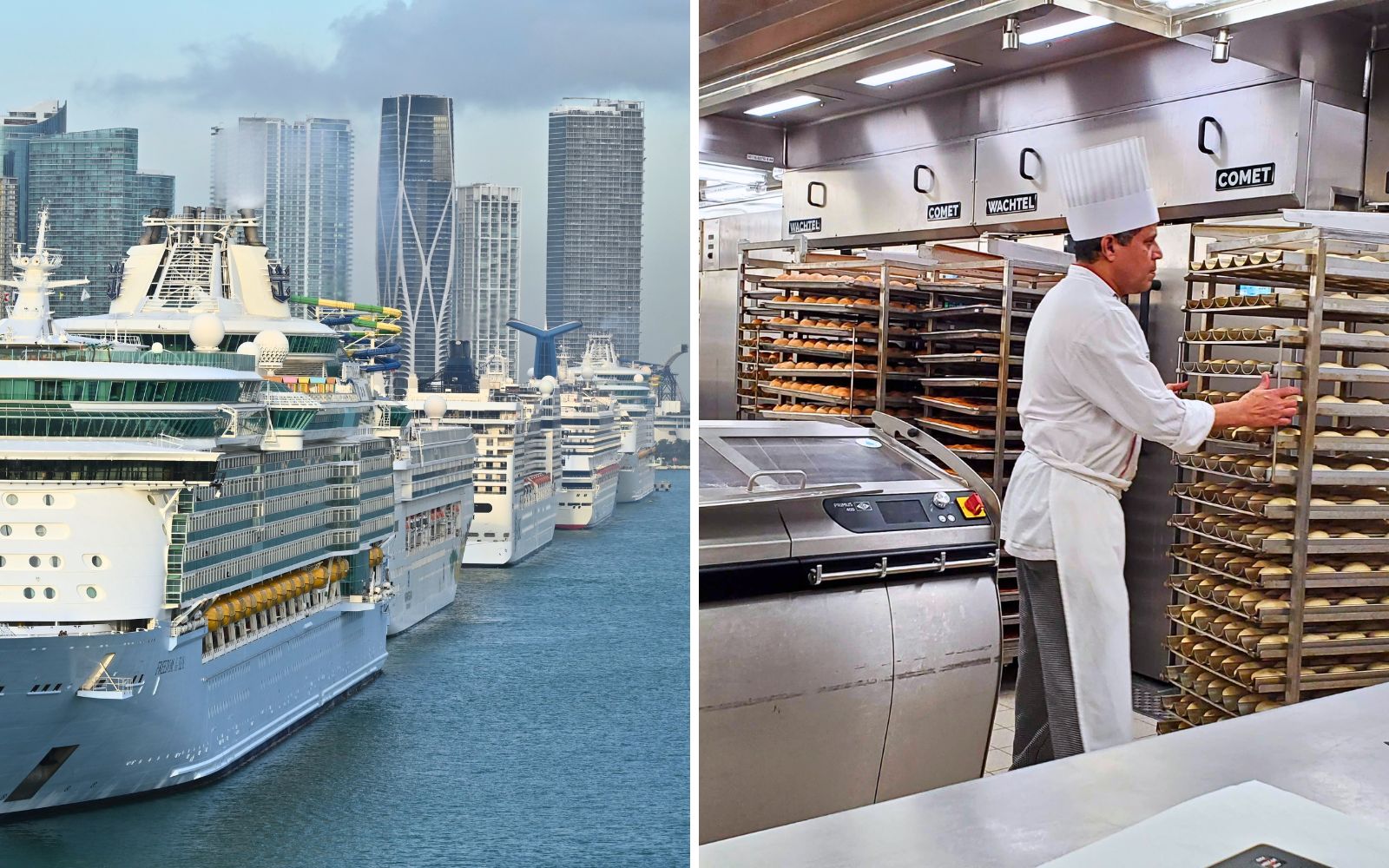
Some of the hardest working people on the planet are cruise ship crew members who keep their vessels clean and sanitized. The pressure and stress they face is hard to imagine.
Livelihoods often ride on a surprise CDC health inspection score that can happen at any moment.
Cruise ship outbreaks make the news because that news is ‘big money.’ Outlets know that calling a ship a ‘floating petri dish’ gets clicks, and the ‘anti-cruise’ crowd pounces on every story as proof for their conviction.
But while these stories go viral, a virus on a cruise ship often does not. The big difference? How and why these cases are reported.
If you look at the federal data and the latest 2026 regulations, the reality is very different than what most news articles will have you believe.
A cruise ship is arguably the most scrutinized piece of real estate on earth, facing a centralized federal machine that requires total transparency.
The headlines tell one story, but the inspection logs tell another. Here is how the two vacation styles actually stack up, comparing them in eight different categories.
1. Outbreak Reporting: Required or Not
- Cruise Ships: Mandatory reporting. The CDC must be notified if just 2% to 3% of people on board report symptoms. This data is required to be made publicly available immediately.
- Resort Hotels: Zero federal reporting. There is no requirement to disclose outbreaks or illness rates to the public or federal government.
A Closer Look
This is why cruises get a bad reputation. They are the only vacation sector required to be 100% honest. If 50 people get a stomach bug at a 1,000-room hotel, there’s not so much as a whisper.
If 50 people get sick on a cruise ship, it’s a “CDC Outbreak” that ends up on the evening news. This transparency creates a false perception of a “floating petri dish”, when in reality, the ship is simply the only one being audited in real-time.
You might think norovirus is a “cruise ship thing”, but only 1% of all norovirus cases happen on cruise ships. And even though a huge majority of cases happen on land, the reporting requirements are practically non-existent.
2. Water Systems: Managed vs. Municipal
- Cruise Ships: Use high-tech desalination and reverse osmosis to create water. It’s monitored 24/7 for chlorine and pH levels.
- Resort Hotels: They depend on city utility lines. A hotel’s responsibility ends at the property line with no federal mandate for room-level pathogen testing.
A Closer Look
On a cruise ship, much of the water is “manufactured” and the ship knows exactly what’s in it. I’ve been on behind the scenes tours on cruise ships to see these water filtration systems in action. It’s very impressive, and 90% of water used on the ship is ‘created’ on board.
Under the CDC Vessel Sanitation Program (VSP) updates, ships must conduct mandatory microbiological sampling for Legionella every six months and not just in pools, but in guest cabin showers as well.
At a resort, you are at the mercy of the city or town’s infrastructure. Unless there is a city-wide boil notice, a resort doesn’t really have a legal requirement to test the chemical balance or bacterial safety of the water coming out of your bathroom sink.
3. Food Safety: Federal Standards vs. State Codes
- Cruise Ships: Inspected under the strict U.S. FDA Food Code with a focus on “food flow” and cross-contamination.
- Resort Hotels: Subject to state or county health codes, which can carry different levels of strictness in their requirements.
A Closer Look
If you’ve ever read a CDC health inspection report (more on this in the next point) from a cruise ship you will know just how thorough and strict these inspections are. Just having a bottle of unopened whipped topping in a time-control refrigerator without a 4-hour discard label can get you a violation.
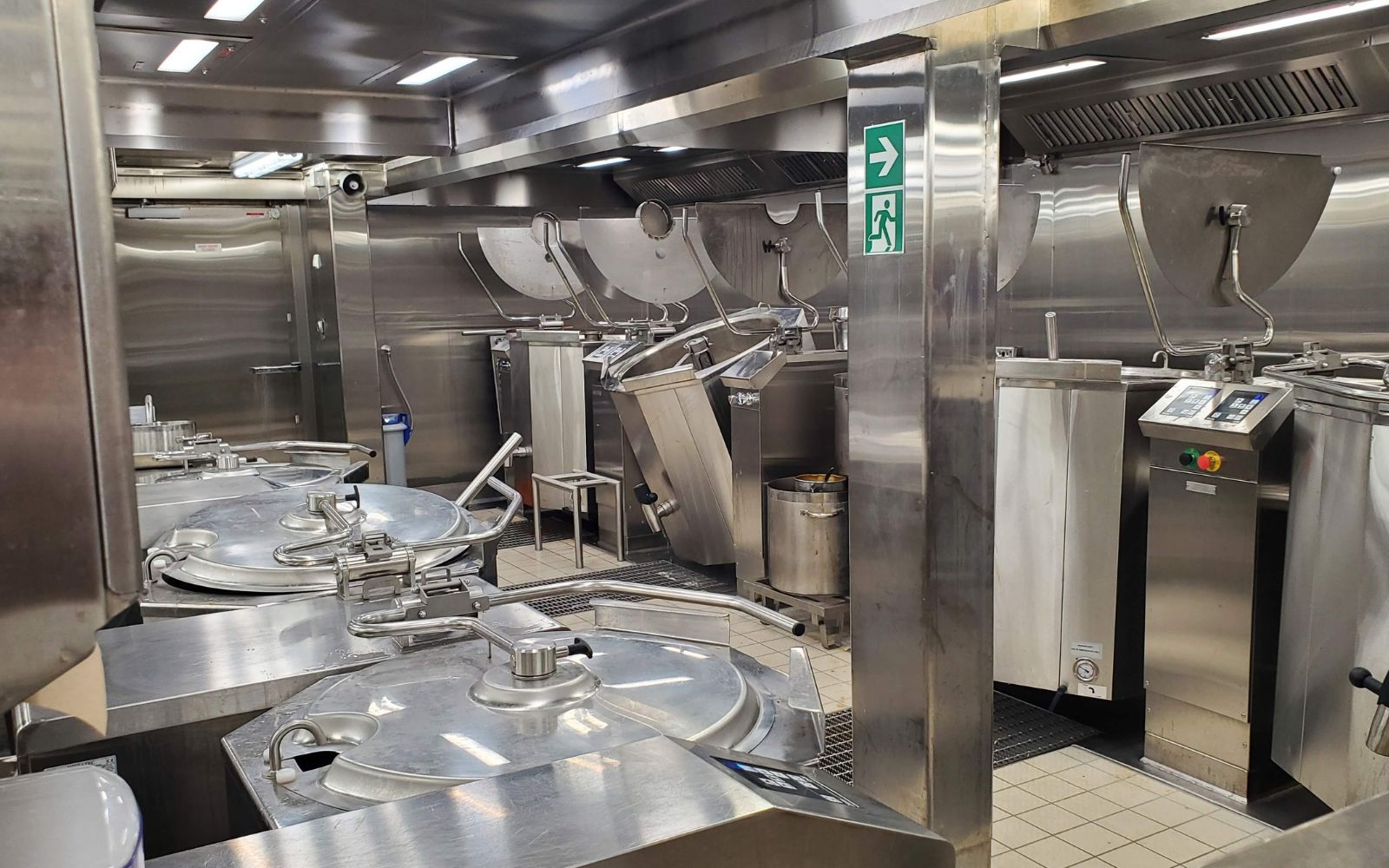
Cruise ship galleys are built with cleanliness in mind, have special flooring, and specific “zones” that prevent raw and cooked foods from ever crossing paths.
Federal inspectors audit the timing of crew hand-washing and the exact calibration of every refrigerator. While a resort health inspection often begins and ends in the kitchen, a cruise ship inspection covers the entire “food pathway” from the moment a pallet is loaded onto the ship until the plate hits your table.
4. Publicity: The “Green Sheet” Accountability
- Cruise Ships: Scores are published on the CDC “Green Sheet” website, allowing cruisers to see a ship’s full inspection history.
- Resort Hotels: Scores are local, often hard to find, or only posted in small print at the physical facility.
A Closer Look
Cruise lines know that a score below an 85 is a public relations disaster. And I’ve personally seen the pressure crew members face when a ship is about to pull into a U.S. port and the possibility of an inspection is coming.
This creates a state of “perpetual readiness” where the crew is always prepared to get that white-glove inspection. Resorts don’t have a central searchable database, and they face far less public pressure to maintain that same level of daily perfection.
5. Air Quality: Hospital Grade vs. Standard Air
- Cruise Ships: Use UV-C light and HEPA/MERV-13 filters to neutralize pathogens in the air supply.
- Resort Hotels: Most rely on standard commercial HVAC filters designed for dust, not germ neutralization.
A Closer Look
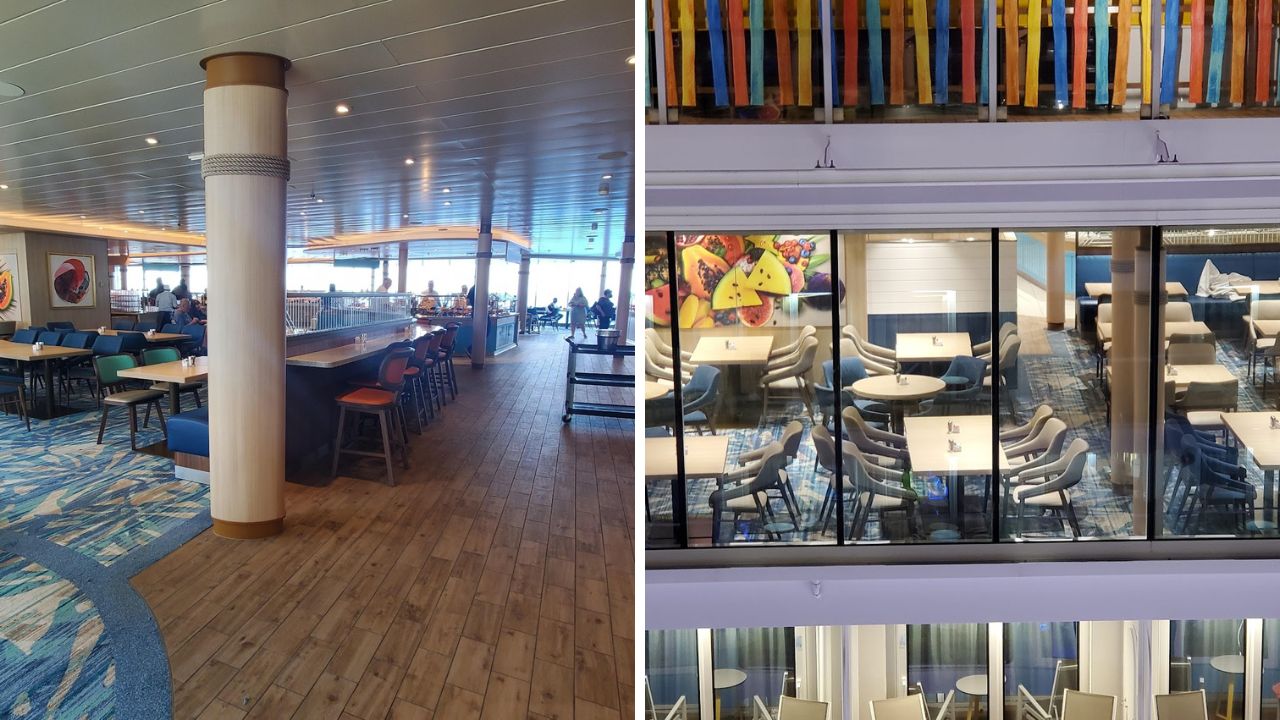
Modern cruise ships have transitioned to systems that prioritize 100% fresh air intake or use high-intensity UV-C light to “scrub” the air before it ever reaches your cabin. This effort was really ramped up after the 2020 pandemic.
Royal Caribbean states that their air is filtered in public spaces about 15x to 20x every hour and their MERV 13 filters capture 90% of aerosols 1 to 3 microns in size.
While standard HVAC filters are fine for allergens, some land-based systems lack the medical-grade tech designed to stop the spread of viruses in their tracks.
6. Medical Infrastructure: Clinical vs. Basic
- Cruise Ships: Required 24/7 medical centers with doctors, nurses, and isolation protocols.
- Resort Hotels: Usually only provide a first-aid station or an on-call doctor with little to no dedicated quarantine protocols.
A Closer Look
A cruise ship is the only vacation style where an onsite doctor can legally “order” a sick guest to isolate to protect the rest of the population.
While these vessels don’t have every piece of equipment a hospital will have, these medical centers are equipped with diagnostic tools like cardiac monitors, X-ray machines, ventilators, and defibrillators.
Resorts don’t typically have that kind of infrastructure. If an illness spreads at a hotel, there is no centralized system to track it, treat it, or stop it from moving through the lobby.
Of course, on a cruise ship you don’t have the option of just walking or driving to a medical clinic to get the help you need, so I will concede that the need for this equipment on a cruise ship is more important than at a resort hotel.
7. Surface Hygiene: Disinfection vs. Routine Cleaning
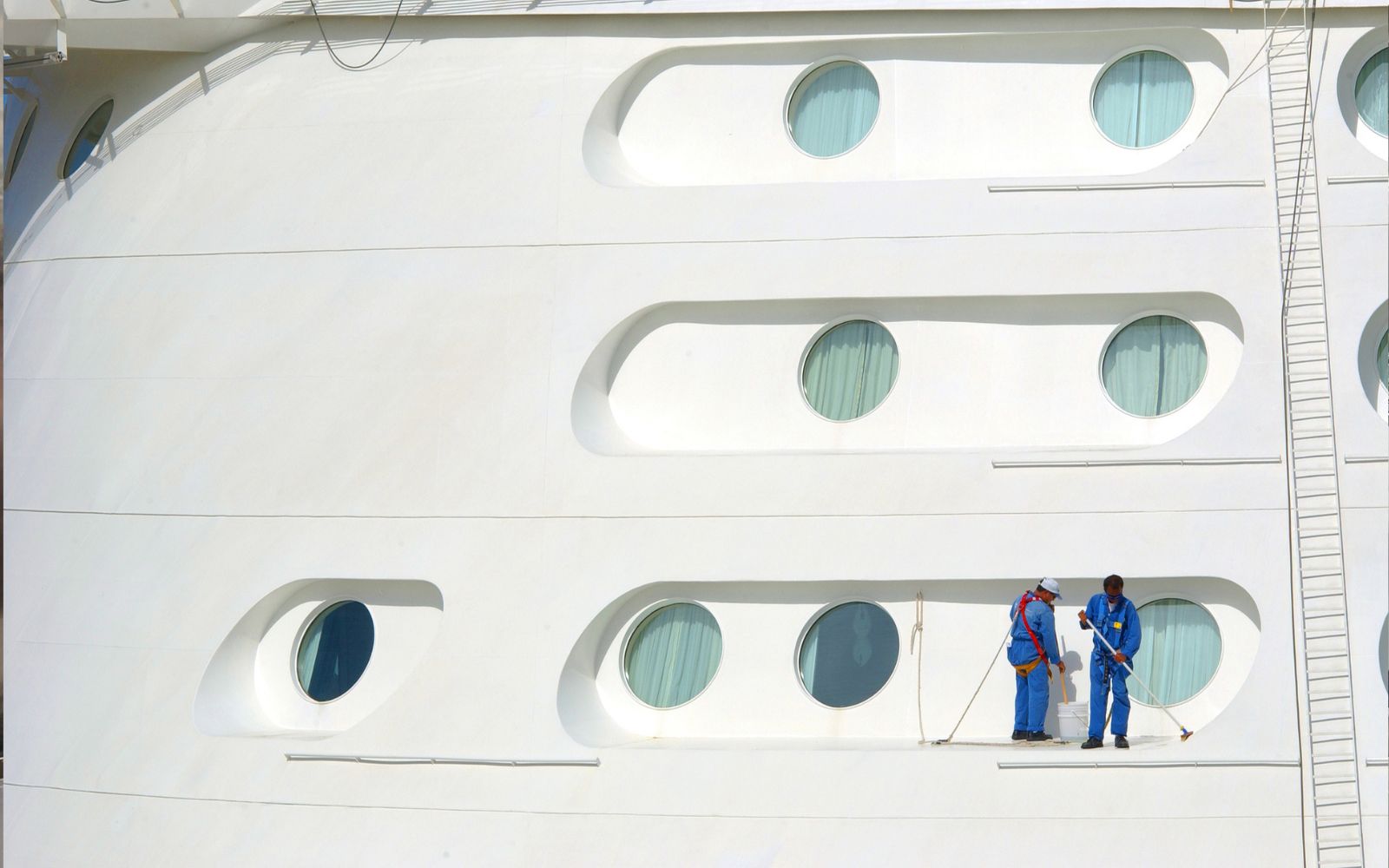
- Cruise Ships: Use electrostatic sprayers and hospital-grade disinfectants on high-touch surfaces (elevator buttons, railings) multiple times a day as a standard baseline. Stay up late on a cruise ship and you will see the “cleaning machine” in motion.
- Resort Hotels: Cleaning is often focused on guest rooms and lobbies. Secondary surfaces like gym equipment or stairwell railings often see much less frequent disinfection.
A Closer Look
In a cruise environment, “clean” is a constant state, not a morning task. Because ships are audited on the cleanliness of even the most obscure surfaces, crew members use electrostatic technology to get full coverage.
At a resort, while the lobby floor might be mopped daily, the “high-touch” spots like the TV remote in the gym or the buttons on a vending machine are often only cleaned during a deep-clean cycle rather than as a part of a daily, high-frequency protocol.
8. Hand Hygiene: Persistent but Effective
- Cruise Ships: Active Intervention. Physical hand-washing stations and staff “monitors” at dining entrances to make sure those hungry cruisers have clean hands before raiding the buffet.
- Resort Hotels: Passive Option. Hand sanitizer may be provided in a lobby, but its use is entirely voluntary, unmonitored, and never turned into a song (if you know you know).
A Closer Look
This is the most visible difference between the two vacations. On a ship, the “Washy Washy” culture is a strategy to kill those germs at the most important area: the buffet entrance.
By placing hand-washing stations directly in the cruise passenger’s way (often with a crew member there to greet and remind them) ships are able to get almost everyone to comply.
A resort hotel usually leaves your hygiene entirely up to you. While a sanitizing station may be in place, its use isn’t encouraged nearly as vigorously as on a cruise ship.
Bottom Line
One of the biggest reasons cruise ships get a bad rap is based on some of the tighter quarters and sheer number of people on board some of today’s mega ships. While it’s true that getting some extra personal space can be challenging, cruise lines are very serious about sanitation and have some of the most state-of-the-art systems in place to keep things clean and passengers healthy.
They aren’t perfect, but don’t believe the over-hyped headlines that sensationalize a story just to get clicks. Most of the time, the only thing going viral on a cruise ship is fun and relaxation.
Looking for the Best Cruise Deals?
Search Multiple Sites at Once
Instant Real Time Pricing
Search Now