

For the third straight time, a cruise ship received the lowest possible passing score during a recent health inspection conducted by the CDC’s Vessel Sanitation Program (VSP).
The ship was cited for rusted utensils in the kitchen, improper food storage, and missing logs regarding illness on board the ship.
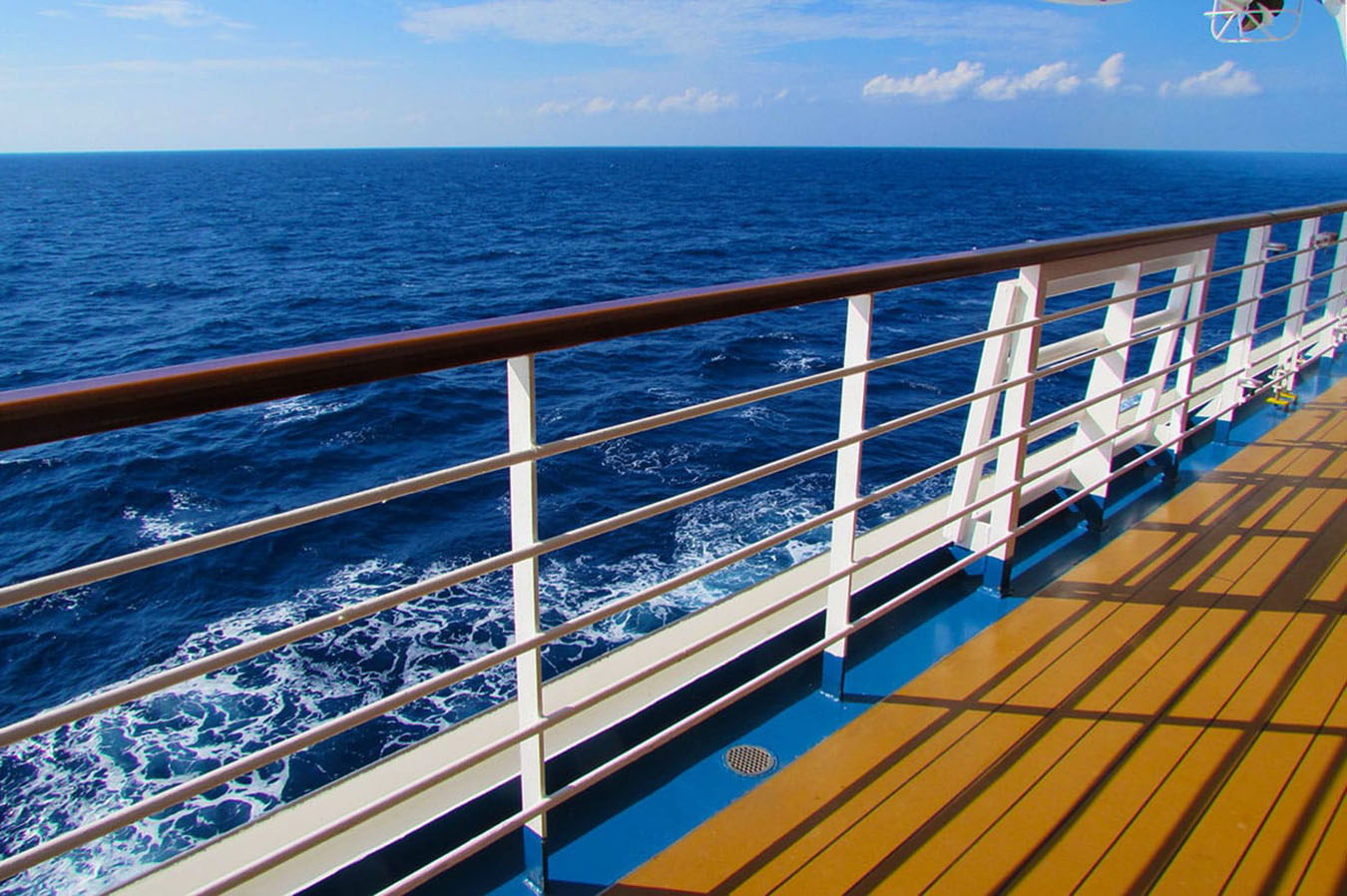
National Geographic Sea Lion, operated by Lindblad Expeditions, scored an 86 during a health inspection where results were just posted to the CDC’s website.
The CDC considers inspection scores of 85 or lower as not satisfactory and results in a failing score.
The VSP found a total of 42 deficiencies during the inspection on the 62-passenger cruise ship. This was the ship’s first inspection since 2016 and 2017, when it also barely passed with an 86 during those two inspections.
Multiple deficiencies were found related to various technical areas across the cruise ship. For example, the 24-hour acute gastroenteritis (AGE) report was submitted more than 36 hours prior to the ship’s expected arrival in Sitka, Alaska.
An AGE-symptomatic crew member did not report their symptoms in a timely manner and was released from isolation and assigned nonfood-handling duties after only 24 hours of isolation.
Multiple four-hour manual halogen residual and pH checks were missing on several days of potable water production within the last month. The ship did not have the ability to measure the pH of the hypochlorous acid produced by the onboard generator.
Related: Dirtiest Cruise Ships in 2026 Based on the CDC’s Health Inspections
Deficiencies
In the kitchen, sanitized vegetable peelers had rust on them. They were thrown away during the inspection.
In the main deck galley, clean dishes were stored in a drawer soiled inside with dried lettuce.
Refrigeration temperatures were too high, forcing the staff to throw away 50 containers of daily products.
Frozen fish were stored under the open stairwell in the freezer, which could allow debris from shoes to fall onto the food below.
Inspectors also found wrapped fish stored directly on the stairs in the freezer.
The ship was cited for not having proper notes in the Acute Gastroenteritis (AGE) surveillance log. Also, a food employee with AGE symptoms was released from isolation 24 hours after their last symptom, instead of the required 48 hours.
Inspectors also noted that Legionella sampling of the potable water system was not conducted every six months. Also, the four-hour manual halogen residual and pH checks were missing on several days of potable water production logs.
And as with most inspections, there were also several extremely minor deficiencies pointed out by the inspectors. This includes things like a screw loose in the dishwasher to more than one day’s dust behind an espresso machine.
All cruise ships that sail to or from a U.S. port are subject to at least two surprise health inspections each year.
About the Ship
The cruise line has the following description listed for the cruise ship:
“Accommodating just 62 Guests in 31 outside cabins, the National Geographic Sea Lion is large enough to operate in remote environments in comfort, yet small enough to enter ports and inlets inaccessible to bigger ships. The ship carries sea kayaks and a fleet of expedition landing crafts, providing easy access to coastlines and other places of interest.
“All cabins have windows and are comfortably furnished with lower berths, private bathrooms, reading lights, and individual climate control. The National Geographic Sea Lion is authorized to operate in the Tongass National Forest under a Forest Service Special Use Permit.”
Looking for the Best Cruise Deals?
Search Multiple Sites at Once
Instant Real Time Pricing
Search Now